ZAMBIA LAUNCHES NATIONAL RESEARCH REPOSITORY TO STRENGTHEN EVIDENCE-BASED DECISION-MAKING
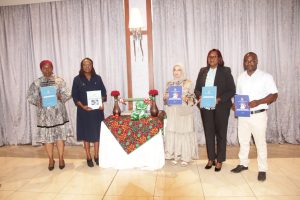
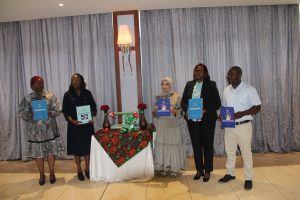
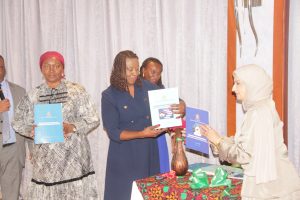
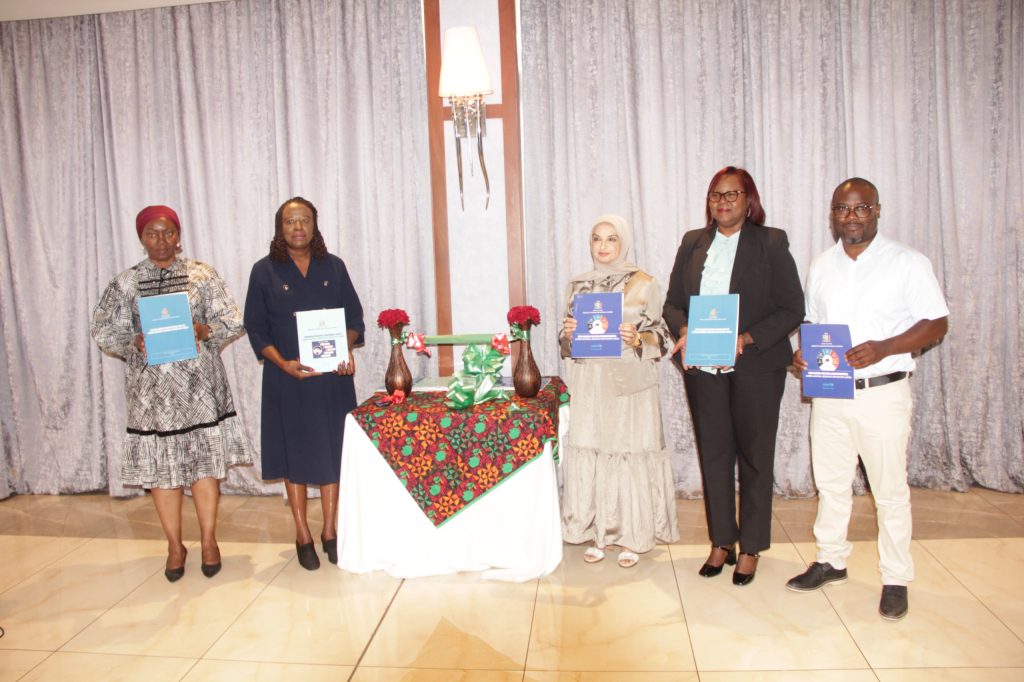
The Ministry of Finance and National Planning, in collaboration with ZamStats and their cooperating partners UNICEF has launched the Zambia National Research Repository (ZNRR), a national digital platform aimed at strengthening evidence-based planning, policymaking and sustainable development through improved access to research and knowledge products.
Speaking during the launch, Permanent Secretary in the Ministry of Finance and National Planning, Planning and Administration, Ms. Prudence Kaoma, said the repository marks a significant milestone in Zambia’s efforts to strengthen evidence-based decision-making as the country works towards Vision 2030 and the transformation of the economy through digitalization.
Ms. Kaoma said the repository addresses the long-standing challenge of fragmented and inaccessible research, much of which has traditionally been kept in hard-copy or scattered formats.
She said bringing research and evaluation products onto a single digital platform would improve access to knowledge, strengthen interaction between evidence producers and users, and reduce duplication of research efforts.
She urged institutions and researchers to actively contribute quality, relevant and accessible research products to the repository, while encouraging policymakers and other users to make evidence a cornerstone of decisions on policies, programmes and investments.
Meanwhile, ZamStats Statistician General Mrs. Sheila Mudenda said the repository represents an important step in strengthening the production, management, dissemination and utilisation of evidence for national development.
Mrs. Mudenda said the repository would provide a central platform for research outputs and knowledge products, promoting knowledge sharing and collaboration while reducing duplication of research efforts.
She said the success of the repository would require sustained stakeholder commitment, including regular updating of content, maintaining quality standards, strengthening institutional ownership and building capacity in repository management.
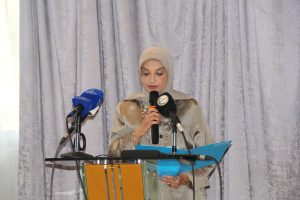
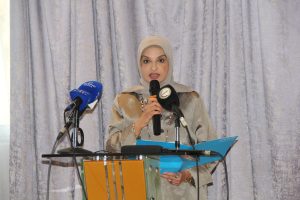
Additionally, UNICEF representative Dr. Saja Farooq Abdullah said the repository comes at a critical time as Zambia continues to address child poverty and other challenges affecting children and families.
The UNICEF representative said credible evidence is essential to identifying children being left behind and determining which policies and investments can make the greatest difference. The representative said the repository would improve access to research on poverty, nutrition, health, education, social protection and child protection, enabling stakeholders to draw on existing evidence when designing and evaluating interventions.
The representative urged evidence producers to continue generating credible, timely and high-quality research aligned with Zambia’s national development priorities, while encouraging users to utilise the repository to inform policy, implementation and evaluation.
The launch brings together Government institutions, cooperating partners, academia, research organisations, the private sector and civil society in efforts to strengthen Zambia’s research and evidence ecosystem and ensure that knowledge generated in the country is more accessible and effectively used for national development.