What began as an instrument for counting Zambia’s population is now being given a second life, as some of the tablets used during the country’s first Electronic Census of Population and Housing in 2022 have been handed over for continued use by selected institutions within the National Statistical System (NSS).
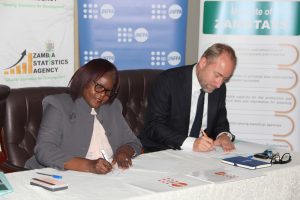
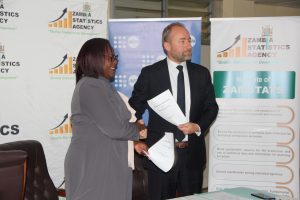
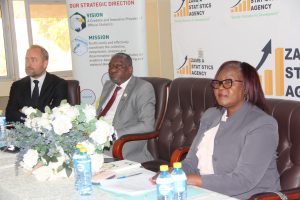
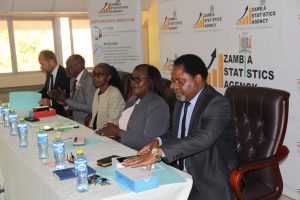
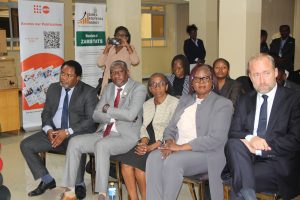
The handover ceremony, held at the Zambia Statistics Agency (ZamStats) Headquarters in Lusaka, marks another important step in Zambia’s journey towards strengthening digital systems for data collection, management and use, while ensuring that an investment made for the Census continues to benefit the country long after the enumeration exercise.
In support of this important national undertaking, the United Nations Population Fund (UNFPA) provided 15,000 tablets, which were deployed during the 2022 Census data collection exercise. Following the successful completion of the Census, all the tablets were returned to ZamStats Headquarters for storage.
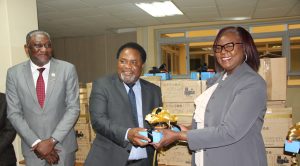
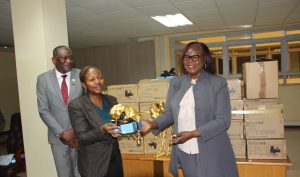
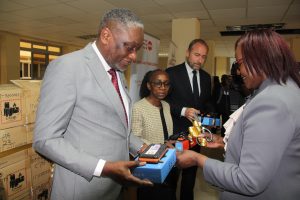
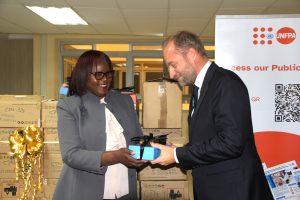
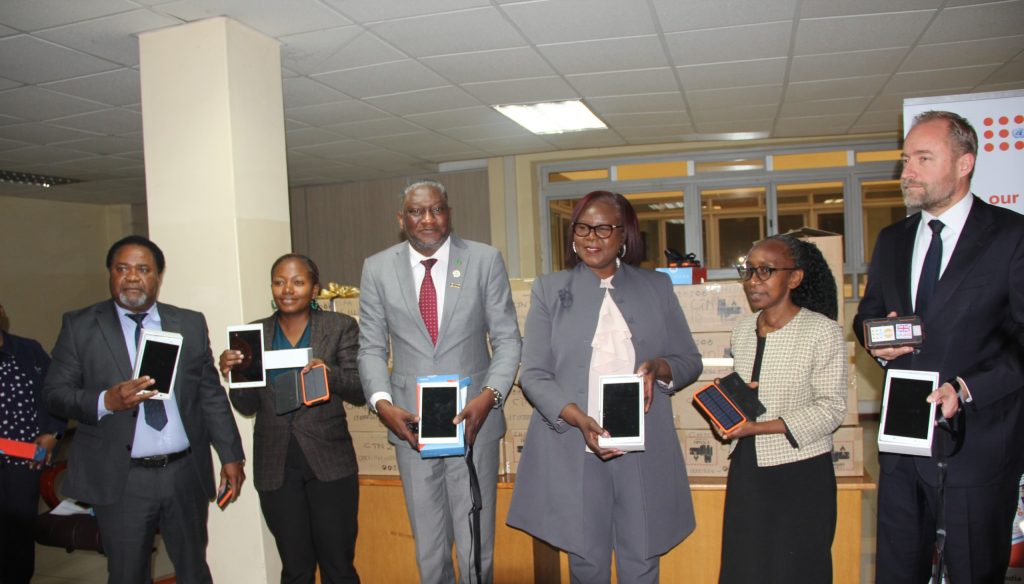
As part of efforts to strengthen partnerships, promote collaboration and enhance the capacity of institutions within the National Statistical System, ZamStats has handed over a portion of the tablets to the Ministry of Health, Ministry of Home Affairs and Internal Security, and Ministry of Education.
The initiative is intended to support statistical activities within these institutions, enhance the adoption and use of technology in data collection and management, and promote the sustainable utilisation of statistical infrastructure and equipment.
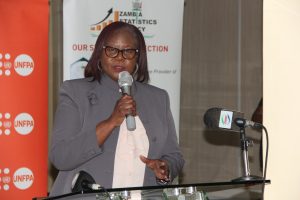
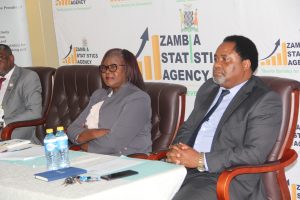
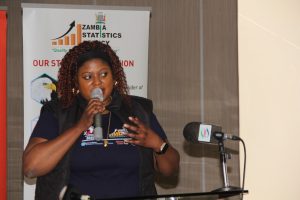
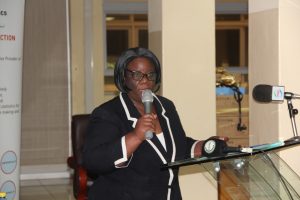
Speaking during the event, the Statistician General, Ms. Sheila S. Mudenda, said the 2022 Census demonstrated that digital transformation in statistics was not simply about acquiring technology, but about building systems capable of converting technology into statistical value.
She explained that the tablets formed part of a broader technological infrastructure that supported the electronic Census, alongside technical expertise, field supervision, data management systems and institutional readiness.
“The tablets were therefore not simply devices used by field staff. They formed an important part of the technological infrastructure,” Ms. Mudenda said.
She added that the ultimate value of the Census investment would be realised when the information collected was transformed into statistical products that respond to the needs of Government, researchers, the private sector, development partners and the general public.
Ms. Mudenda said the redeployment of the tablets was therefore timely, particularly as institutions increasingly move towards electronic data collection, digital data management and the exchange of administrative and official statistics.
She emphasised that the initiative was also a demonstration of the importance of collaboration and coordination across the National Statistical System, noting that no single institution could independently meet the growing demand for timely, relevant and quality statistics.
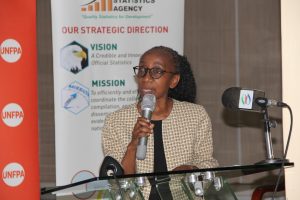
Speaking on behalf of the Permanent Secretary for Planning and Administration in the Ministry of Finance and National Planning, Ms. Prudence Kaoma, the Director for Population and Development, Ms. Pamela Kauseni, explained that Government procured 30,000 tablets for the Census, while UNFPA provided an additional 15,000 tablets, making a significant contribution towards Zambia’s transition to electronic data collection.
She said the handover was therefore not simply about transferring equipment from one institution to another, but about extending the value of an investment in Zambia’s statistical system.
“These tablets should be seen not merely as an asset being transferred from one institution to another, but as an investment in the continued strengthening of Zambia’s statistical system,” Ms. Kauseni said.
She noted that continued collaboration among institutions within the NSS would be critical in ensuring that statistical investments are efficiently utilised and that data produced by different institutions can contribute to a coherent and comprehensive national information system.
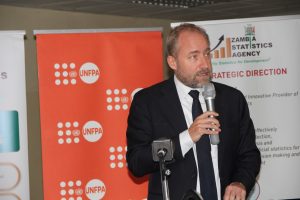
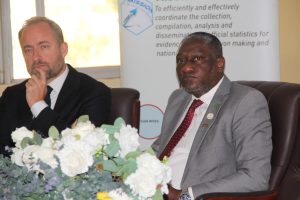
The UNFPA Country Representative, His Excellency Mr. Seth Broekman, said the significance of the tablets extended beyond their technical function during the 2022 Census.
He described the 15,000 devices as “working instruments of inclusion”, noting that they helped Zambia collect information in real time and ensure that people across the country were captured in the national statistical record. According to Mr. Broekman, the use of digital technology during the Census helped position Zambia at the forefront of digital census-taking on the continent, while also demonstrating the value of regional and international cooperation.
He pointed to the practical ways in which reliable and timely data can influence development decisions, including the location of health facilities and classrooms, as well as the provision of roads, water infrastructure and other essential services. Mr. Broekman described the handover as the beginning of a new chapter for the tablets, rather than the end of their usefulness.
“Today is the beginning of a powerful second chapter and not the end of a story,” he said.
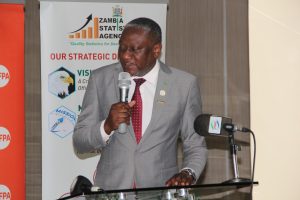
The Permanent Secretary for Technical Services in the Ministry of Health, Dr. Kennedy Lishimpi, said the tablets would complement existing digital platforms such as SmartCare, DHIS2 and the Electronic Logistics Management Information System (eLMIS), which are increasingly important in collecting, managing and using health information.
Dr. Lishimpi said some of the tablets would, where appropriate, be deployed to health facilities to support data entry and reporting, thereby strengthening the availability and timeliness of information from the point of service delivery.
“I wish to assure the Zambia Statistics Agency and UNFPA that the Ministry of Health will ensure that the tablets are appropriately allocated, responsibly utilised and properly accounted for,” Dr. Lishimpi said.
He added that the initiative demonstrated how investments made for one programme could continue generating value beyond their original purpose.
For the Ministry of Home Affairs and Internal Security, the tablets are expected to strengthen digital processes around civil registration, administrative data and other services under its mandate.
Representing the Permanent Secretary, the Registrar General, Mr. Davies Chikalanga, expressed appreciation to ZamStats and UNFPA, describing the contribution as more than a technology donation.He said the tablets would enhance the Ministry’s ability to collect, process and analyse information more efficiently, enabling staff to work smarter and respond more quickly to the information needs of Government.
“This contribution is more than a gift of technology; it is an investment in efficiency, innovation and the strengthening of our capacity to serve,” the Registrar General said.
Representing the Ministry of Education, Ms. Gwendoline Mulaisho, Acting Assistant Director, said the donated tablets would greatly support the Ministry’s efforts to strengthen the collection, management and utilisation of education data.She noted that the initiative was particularly important as the Ministry continued to enhance the quality, timeliness and reliability of statistical information for evidence-based planning and decision-making in the education sector.
“This is particularly important as we continue to enhance the quality, timeliness and reliability of statistical information for evidence-based planning and decision-making in the education sector,” she said.
The handover of the Census tablets underscores a broader and equally important message: the strength of Zambia’s statistical system depends not only on the capacity of individual institutions, but also on how effectively those institutions coordinate, collaborate and share data.